

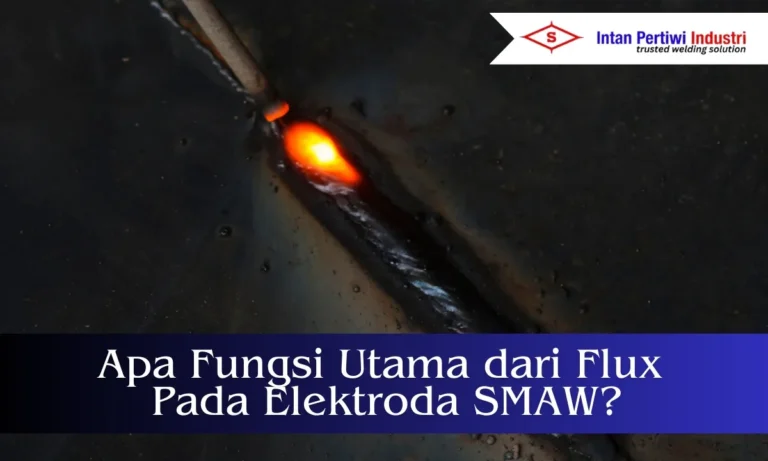
If you've ever wondered what the primary function of flux in a SMAW electrode is, the answer is more than just one thing. Flux acts as a protective system and regulates the welding process, from shielding the weld pool from air to helping form a stable, neat bead.
Flux also makes SMAW electrodes suitable for use in a variety of working conditions, including fieldwork, windy areas, and difficult positions. Without proper flux, the arc can easily become unstable, the weld will become porous, and slag can become trapped in the joint.
Table of Contents
ToggleIntroduction
The flux on a SMAW electrode is often considered just a coating. However, if you understand the main function of the flux on a SMAW electrode, it will be easier to choose the right electrode, set the parameters correctly, and identify the causes of weld defects such as porosity, slag inclusion, excessive spatter, or an untidy bead.
In the field, many welding problems aren't caused by the machine, but by the flux not functioning optimally. This can be due to a damp electrode, incorrect technique, or inappropriate current.
This article discusses the practical function of flux, complete with its effects on welding results and examples of its application.
What is the main function of flux in SMAW electrodes?
Flux is a coating that coats the core of the electrode wire. When the electrode is ignited, the flux burns and reacts to create a protective barrier and chemical environment around the weld pool. The end result is a more stable, cleaner, and stronger weld, consistent with the electrode's design.
Below are the most important functions of flux and the effects that are most noticeable on welding results.
1. Welding pool shielding gas
As the flux burns, it produces a shielding gas that surrounds the weld pool. Its purpose is to prevent oxygen and nitrogen from the air from entering the molten metal.
If this gas shielding is weak, the most common symptom is porosity or porous welds. In the field, the reasons why gas shielding fails are usually due to:
- arc is too long so the gas blanket is not dense
- damp electrodes that make flux combustion unstable
- strong gusts of wind that disturb the bow area
- too low current causes the arc to break frequently
An example of application: When welding in open areas, maintaining a consistent arc distance is often more important than increasing the amperage significantly.
2. Forming protective slag
Flux also forms slag, a layer of slag that covers the bead surface as it cools. Slag acts like a shield, protecting the hot weld metal from direct contact with air during critical phases.
In addition to protecting, slag helps form a smoother bead, especially on certain electrodes that are designed for a neat appearance.
A practical note that's often overlooked: Slag must be removed from each layer. Otherwise, it can become trapped and form slag inclusions, which can reduce joint strength, especially in fillets and multi-pass joints.
3. Stabilizing the arc (arc stabilizer)
Flux contains ingredients that help keep the arc stable. This has an immediate impact on easier ignition, smoother arc sound, and more controlled sparks.
If the arc feels wild, frequently goes on and off, or has excessive spatter, the cause could be a combination of:
- polarity does not match electrode type
- current does not match diameter
- dirty workpiece surface or poor grounding
- damp electrodes that interfere with the arc character
Useful insight for beginners. A stable arc doesn't necessarily mean high current. Instead, multiple electrodes require the right current and consistent technique.
4. Deoxidation and purification of weld metal
When molten metal comes into contact with air, oxidation can occur. Flux helps with this deoxidation process, binding certain oxides and contaminants so they are carried along with the slag instead of remaining in the weld metal.
This function is important when the material isn't perfectly clean. For example, there's mill scale, thin oil, or light rust. However, don't use flux as an excuse to weld over dirt. Surface preparation still determines quality.
Signs that this function is not working properly are often seen from:
- dull bead and fine small pores
- sand-like weld surface
- tensile strength is inconsistent in testing
5. Adding alloying elements
On certain electrodes, fluxes are designed to add alloying elements to the weld deposit. This can be done to increase strength, toughness, or specific characteristics to suit the application's needs.
This is one reason why two electrodes that appear identical can produce different mechanical properties. It's not just the electrode core, but also the flux design and its reaction during welding.
Example context. Electrodes for specific applications can be designed to be more robust at low temperatures, or more resistant to cracking, depending on their composition and intended use.
6. Adjust penetration and bead shape
Flux also affects penetration and bead profile. Some electrodes provide deeper penetration, while others are better suited for filling and capping because the bead is wider and neater.
The impact is very noticeable on:
- fillet joint
- root pass
- vertical or overhead welding
- thin material that is prone to penetration
A practical quick reference. If your work requires controlled penetration into thin materials, it's not just the amperage that matters. The movement technique, travel speed, electrode angle, and electrode type selection all play a role.
Also read : How to Choose the Size of Welding Electrode
7. Suppress diffusible hydrogen (low hydrogen type)
In low-hydrogen electrodes, the flux is designed to suppress diffusible hydrogen to reduce the risk of hydrogen cracking. This is important for thicker materials, critical joints, or higher-strength steels.
Also read : E7018 low hydrogen electrode
However, this function is only effective if the electrodes are handled correctly. The most common cause of low hydrogen failure is the electrodes absorbing moisture due to improper storage.
Relevant practices in workshops and projects:
- keep the electrodes dry according to procedure
- Avoid exposing the electrode to humid air for too long.
- use a closed container or electrode heater if needed
If there are signs of fine cracks after cooling, especially in thick joints, one of the first things to check is the potential for moisture on the electrode.
Conclusion
Flux isn't just a coating. The primary functions of flux in SMAW electrodes include weld pool protection, slag formation, arc stabilization, deoxidation, alloying, penetration and bead control, and hydrogen suppression for low-hydrogen electrodes.
When you understand this function, you can choose electrodes more precisely, set parameters more quickly, and reduce welding defects that often appear in the field.
If you need SMAW welding electrode for workshops, projects, or industrial needs, make sure to choose an electrode that suits the material and work position so that the welding results are stable and have minimal defects.
At intanpertiwi.co.id, you can get SMAW electrode welding electrode products for industrial needs.
You can check the products and consult about your welding application needs through the page welding electrode, then convey the material, thickness, position, and target results so that the recommendations are truly precise.

FAQs on Flux Function in SMAW Electrodes
What happens if the flux on the SMAW electrode doesn't work properly?
The results often include porosity, excessive spatter, an unstable arc, difficult-to-remove slag, or slag inclusions. Common causes include a damp electrode, incorrect technique, inappropriate current, or a dirty workpiece surface.
Why can SMAW welding still be used in windy fields?
Because the flux produces shielding gas and slag, it helps protect the weld pool from the air. However, strong winds can still be disruptive, so controlling the arc distance and body position is crucial.
What is the difference between the function of ordinary electrode flux and low hydrogen?
Low hydrogen is designed to suppress diffusible hydrogen, reducing the risk of cracking in critical joints. However, this benefit can be lost if the electrode absorbs moisture due to poor storage.
Does flux affect weld penetration?
Yes. Flux design affects the arc characteristics and weld pool flow, thus impacting penetration and bead shape. Therefore, electrode type selection must be tailored to the root, fill, or capping requirements.
Why is slag sometimes difficult to clean?
This is usually due to inappropriate current, improper travel speed technique, incorrect electrode angle, or contamination. Some electrodes may actually have slag sticking more if the parameters aren't right, requiring minor adjustments to the current and technique.