
06/10/2026/
Weld penetration is the depth to which the weld penetrates the metal joint. Proper penetration helps ensure that the joint sections—particularly the area...


Weld penetration is the depth to which the weld penetrates the metal joint. Proper penetration helps ensure that the joint sections—particularly the area...
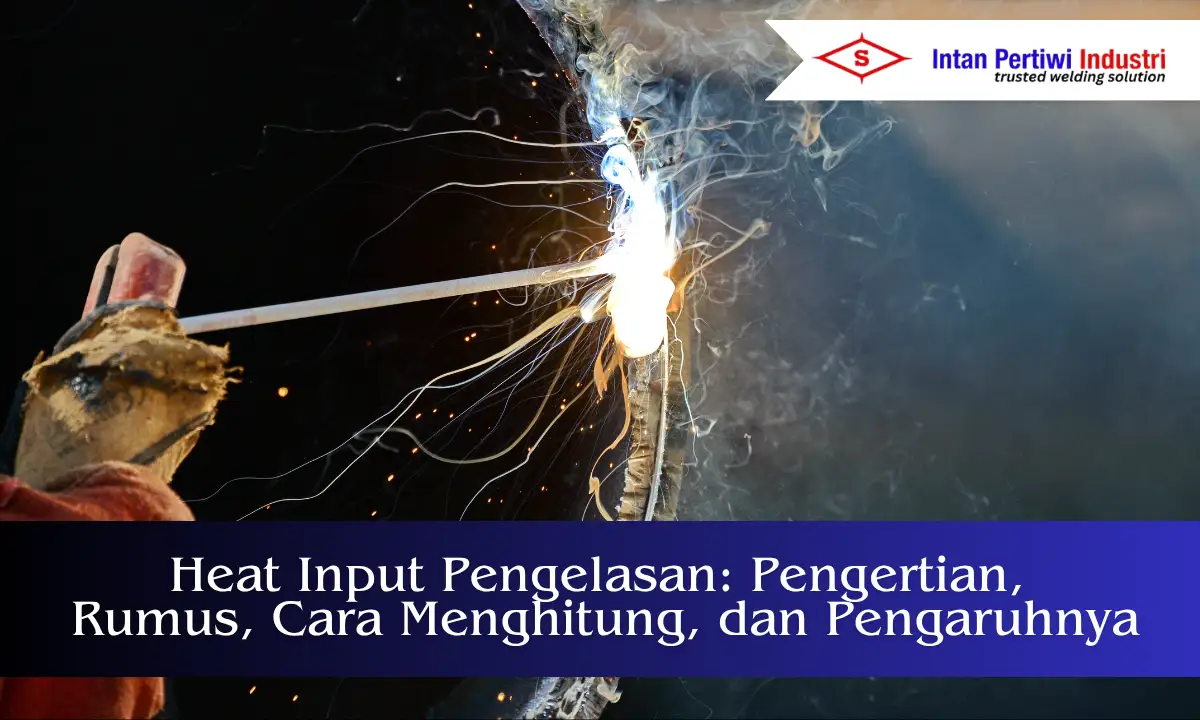
Welding heat input is the amount of thermal energy applied to the material throughout the welding process per unit length of the weld joint....

One of the causes of cracking in welds is a combination of stress, uncontrolled cooling, hydrogen content, and welding procedures...

In the welding process, the quality of the joint is determined not only by the external appearance of the weld but also by the internal condition of the metal...

In industrial operations, the welding WPS is a crucial document for ensuring that the welding process is carried out systematically and in accordance with standards....

1F welding is one of the welding positions most frequently studied during the initial stages of welding practice. This position is considered fundamental...

The question of why low-hydrogen electrodes frequently stick often arises when the welding process does not go smoothly, especially when the electrode...

Confused about which welding method to choose? Learn about the different types of electric welding and how to select the right welding electrode based on material, position, and thickness...

Welding cast iron often feels far more difficult than welding ordinary steel. When dealing with cast iron, the results...

If you have ever wondered what the primary function of the flux on an SMAW electrode is, the answer isn't just one thing. The flux works like...