
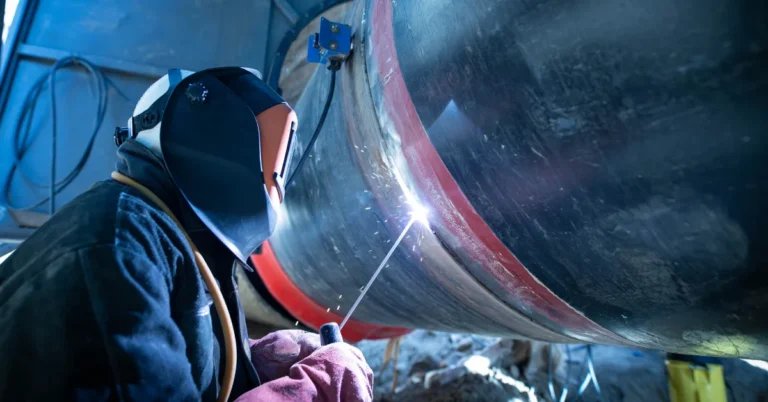
Before discussing the function of LB and RB series welding electrodes, it is important to understand the basics of welding electrode selection based on material, thickness, welding position, and project standards. Use welding electrode type & size guide as an initial reference, then we will go into the differences in characteristics and applications of LB vs RB so you don't make the wrong choice in the field.
Welding is a critical process in the manufacturing, construction, and shipping industries. The success of a joint is determined not only by the welder's skill but also by the selection of the appropriate welding electrode.
The two most popular types of welding electrode that are widely used in various sectors are LB (Low Hydrogen-Basic) welding electrode and RB (Rutile-Basic) welding electrode.
Understanding the function of LB and RB welding electrode will help welders, engineers, and engineering students to determine the right choice for every job.
This article discusses in detail the functions, advantages, differences, and practical applications of the two types of welding electrode so that it can be used as a guide in the field.
Function of LB and RB Welding Electrode
LB and RB welding electrodes have different functions based on their mechanical properties, flux coating type, and application requirements. Each is designed for a specific purpose, so its use must be tailored to the material and job standards.
Function of RB (Rutile-Basic) Welding Electrode
A popular product in this category is RB 26 welding electrode, which is widely used in general construction projects. If you're still unsure about choosing the right diameter, check out this guide how to choose RB-26 welding electrode size for optimal welding results.
Main characteristics and advantages of RB welding electrode:
Suitable for mild steel such as ST.41 steel which is often used in building construction.
Smooth weld results with a neat surface and minimal spatter.
Stable in various welding positions, including vertical and overhead positions.
Slag or slag is easily removed, thus speeding up the work.
Common applications of RB welding electrode include:
Construction of light steel and medium steel buildings.
Manufacturing of storage tanks, pipes, and agricultural machinery.
Ship fabrication with thin to medium plate thickness.
RB-26 welding electrode is often the choice when projects require high efficiency with neat results, even on less critical materials.
Function of LB (Low Hydrogen-Basic) Welding Electrode
LB welding electrode is a low-hydrogen coated electrode designed to produce high-strength, crack-resistant joints. The most well-known product in this category is the LB-52 welding electrode.
Main characteristics and advantages of LB welding electrode:
Designed for high tensile strength steel, for example ST.52 steel with grade 490 MPa or more.
The welds have excellent resistance to both dynamic and static loads.
The connection is more resistant to hydrogen cracking, making it very reliable for heavy structural work.
Complies with internationally recognized AWS A5.1 E7016 or JIS Z3211 E4916 standards.
Common applications of LB welding electrode include:
Steel bridge construction demands the best quality connections.
Fabrication of pressure vessels, boilers and high pressure tanks.
Construction of large ships with the need for durable connections.
Steel frames in high-rise buildings or heavy industrial structures.
LB52 is often the first choice when projects require assurance of quality connections that meet high safety standards.
What is LB Welding Electrode for?
If you're wondering what LB welding electrode is for, the answer depends on the series used. The LB family of electrodes is known for its low hydrogen properties, which helps maintain more stable joints when strength and crack resistance are key requirements, especially in structural and pipeline work.
What is LB-26 for?
LB-26 is suitable for welding medium to high carbon steel when you need a strong connection for jobs such as heavy construction and pressurized pipes. See product details at LB-26 product page.
What is LB-52 for?
LB-52 is a low hydrogen iron powder type that is commonly chosen for thick metals and structures that require better crack resistance. Read the full specifications at LB-52 product page.
What is LB-52U for?
The LB-52U is designed for pipe root passes, with deep penetration and fine root beads, and can be used in various welding positions. Check the information at LB-52U product page.
Difference between LB and RB Welding Electrode
Even though they are both SMAW (Shielded Metal Arc Welding) electrodes, LB and RB welding electrodes have significant differences that mean they cannot be substituted for each other in all conditions.
1. Material Type and Strength
RB: More suitable for mild steels such as ST.41 with standard tensile strength requirements.
LB: Designed for high strength steels such as ST.52 with higher load-bearing connection requirements.
2. Flux Layer
RB: Uses a rutile-based coating that easily produces a stable arc and makes welding easier.
LB: Using a low hydrogen layer which functions to suppress the hydrogen content, thereby reducing the risk of cracking.
3. Results and Quality of Connection
RB: Produces neat, smooth, and easy-to-work welds, suitable for general work.
LB: Produces high-strength, crack-resistant welds that meet critical project standards.
4. Field Application
RB: Light to medium construction, general fabrication, daily repairs.
LB: Heavy infrastructure projects such as bridges, power plants, large ships, and pressure vessels.
Here's a simple comparison table:
| Aspect | RB (Rutile-Basic) | LB (Low Hydrogen-Basic) |
|---|---|---|
| Main materials | Mild steel (ST.41) | High strength steel (ST.52) |
| Tensile strength | Standard | Height ≥ 490 MPa |
| Welding results | Smooth, stable, easy | Crack resistant, strong, premium quality |
| Difficulty level | Easy to use, suitable for beginners | Requires higher skills |
| General application | Buildings, pipes, agricultural machinery | Bridges, ships, pressure vessels |
This difference explains why welding electrode selection cannot be arbitrary. Using RB in a job that requires LB can have fatal consequences for the structure's strength.
Need product references? Browse the kobe steel welding electrode line for RB and LB that match your project's WPS.
Conclusion on the Function of LB and RB Welding Electrode for Industry
LB and RB welding electrodes have specific, complementary functions. RB, such as KOBELCO RB-26, is the best choice for general construction, light fabrication, and everyday jobs that require efficiency with neat results.
While LBs like the KOBELCO LB-52 are the solution for medium to heavy projects that demand high tensile strength and maximum durability.
In summary:
Choose RB for mild steel, general projects, and more practical needs.
Choose LB for strong steel, heavy structures, and projects requiring high safety standards.
For companies, distributors, and professional welders, understanding the differences in the functions of LB and RB welding electrode is very important to ensure safe and high-quality welding results.
If you need further technical recommendations or want to consult about the choice of welding electrode according to project needs, immediately contact PT Intan Pertiwi Industri as the official manufacturer of KOBELCO welding electrode in Indonesia.
By selecting the right welding electrode, your welding results will be more optimal, efficient, and meet industry standards. To order, you can contact our sales team directly through our official website or through the contact information provided.
FAQs
1) When is it better to use RB welding electrode instead of LB?
RB (rutile-basic) is generally chosen for general fabrication/construction work on mild steel (e.g., ST.41/equivalent grades), when a stable arc, easy slag removal, and a neat finish are key. LB (low hydrogen) is more suitable for more critical/loaded structures or materials with higher crack resistance requirements, due to its properties that reduce the risk of hydrogen cracking.
2) Can LB and RB replace each other?
Not always. LB and RB are not automatically interchangeable due to the different flux characteristics and target applications. If the WPS/project requires low hydrogen (e.g., E7016/E7018 grade), substituting for RB can increase the risk of defects/cracks and substandard welding. Conversely, using LB for general work may be possible, but consideration must be given to the WPS, electrode storage conditions, and welding parameters.