
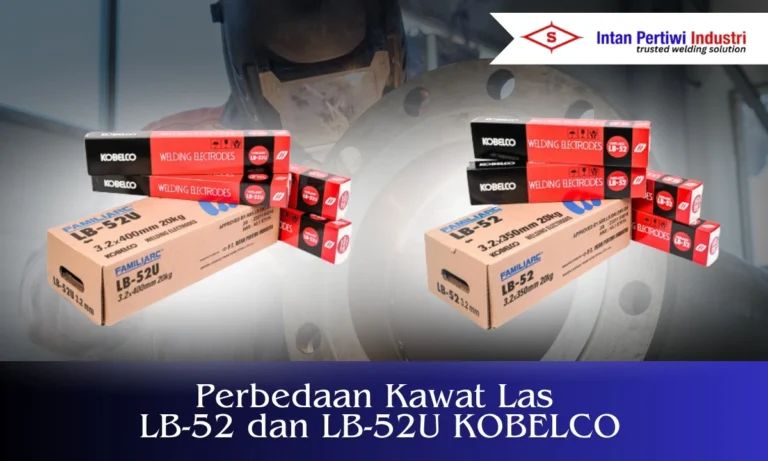
What is the difference between KOBELCO's LB-52 and LB-52U welding electrodes in terms of arc, slag, and usability, and which one is best suited for your project needs?
In the field, many welders and engineers consider the LB-52 and LB-52U to be the same product because they have identical classifications. However, KOBELCO designed these two electrodes with different focuses.
These differences directly impact arc stability, ease of welding, and even the consistency of the weld. Understanding these differences from the outset will help improve joint quality and work efficiency.
Table of Content
ToggleWhat is LB-52 Welding Electrode?
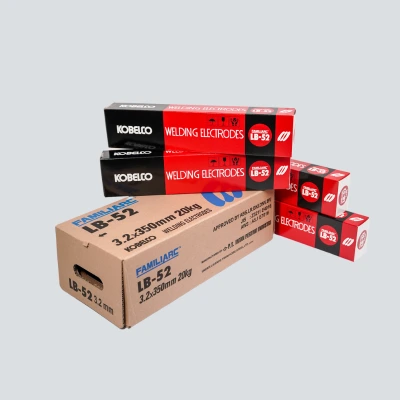
LB-52 welding electrode is a basic type of low hydrogen welding electrode designed to produce joints with high strength and toughness.
This product is widely used in load-bearing steel structures and requires strict quality control. LB-52's characteristics tend to be stable but require good welding techniques from the operator to achieve optimal results.
What is LB-52U Welding Electrode?
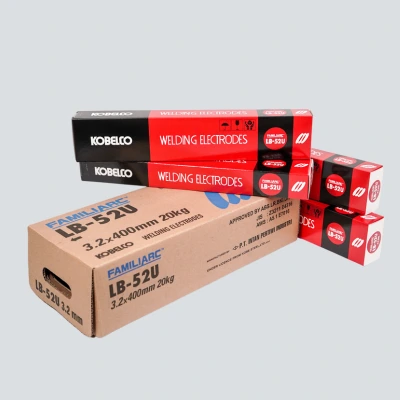
LB-52U welding electrode is a development of the LB-52 with an emphasis on ease of use. KOBELCO adjusted the flux characteristics for a smoother and more controllable arc.
The main goal of the LB-52U is to increase productivity and consistency of results, especially in field work involving multiple welders with different levels of experience.
Differences between LB-52 and LB-52U Welding Electrode
Differences between AWS Classification and Standard A5.1
In terms of classification, both LB-52 and LB-52U are in the same standard AWS A5.1 E7016. This means that both have equivalent minimum tensile strength and are low hydrogen electrodes. There is no difference in terms of the required mechanical strength standards.
Differences in Product Development Goals
The LB-52 was developed with a primary focus on mechanical performance and joint toughness. Conversely, the LB-52U was developed to enhance operator comfort and work efficiency without sacrificing the same strength standards.
Differences Between Arc Character and Arc Stability
The arc on the LB-52 feels stiffer and requires consistent hand control. On the LB-52U, the arc tends to be smoother and more stable, making it easier to maintain, especially during long welds or difficult positions.
Difference in Ease of Starting and Re-Striking
The LB-52 has good starting capabilities but requires proper technique. The LB-52U excels in initial starting and restarting, reducing wasted time during interrupted welding.
Difference Between Weld Pool Control and Penetration
The LB-52 weld pool is denser and suitable for joints that require precise control. The LB-52U provides a more manageable weld pool, helping welders maintain bead consistency under various working conditions.
Differences Between Slag and Ease of Cleaning
The slag on the LB-52 is relatively easy to remove but still requires careful manual cleaning. On the LB-52U, the slag is easier to peel off, speeding up the finishing process and visual inspection.
Difference between Spatter and Neatness of Welding Results
The LB-52 produces low spatter when the parameters are correct. The LB-52U tends to produce even less spatter, resulting in a neater, cleaner weld.
Differences in Tolerance to Operator Technique Variations
The LB-52 is more sensitive to variations in welding techniques. The LB-52U is more tolerant of differences in operator style and experience, making it suitable for use in teams with diverse skill sets.
Differences in Suitability for Welding Positions in the Field
The LB-52 is suitable for controlled work with planned welding positions. The LB-52U is more flexible for field work with varying positioning conditions.
Differences in Common Applications in Construction and Fabrication Projects
LB-52 is often used in heavy steel structures, pressure parts, and critical connections. The LB-52U is widely chosen for general construction projects and field fabrication that demand speed and consistency.
Differences in Usage Recommendations for Beginner and Experienced Welders
The LB-52 is more ideal for experienced welders who can maintain consistent parameters. The LB-52U is more user-friendly for novice welders and field operators who require easier control.
The Difference Between Maximum Quality and Usability Productivity Main Focus
The LB-52 is focused on engineering quality and connection strength. The LB-52U is focused on ease of use and increased productivity without compromising quality standards.
Selection Recommendations Based on Project Needs
Electrode selection should be tailored to the project's characteristics. Use LB-52 for critical structural joints and work requiring tight controls.
Use the LB-52U for field work, high welding volumes, and the need for consistent results across a wide range of conditions.
Tips for Storing and Handling Low Hydrogen Electrodes
Low-hydrogen electrodes should be stored in dry, sealed conditions. Exposure to moisture can increase the risk of porosity and hydrogen cracking.
Make sure the electrode is heated according to recommendations and is not left exposed for too long in the work area.
Conclusion
The LB-52 and LB-52U are comparable in power but differ in usage characteristics. The LB-52 excels in toughness and technical control, while the LB-52U excels in simplicity and productivity.
Understanding the differences between LB-52 and LB-52U welding electrode helps ensure strong, consistent welds that meet project needs.
If you need LB-52 or LB-52U KOBELCO welding electrode for construction, fabrication, or field work projects, PT Intan Pertiwi Industri is ready to help provide original products with the right technical support.
You can contact our team to get product recommendations, stock availability, and offers according to your project needs.

FAQs
Do the LB-52 and LB-52U have the same connection strength?
Yes. LB-52 and LB-52U are both classified as AWS A5.1 E7016, so their minimum tensile strength standards are equivalent. The differences are more pronounced in usage characteristics such as arc stability, ease of re-striking, and slag behavior.
Is the LB-52U better than the LB-52 or is it just easier to use?
The LB-52U isn't just a more user-friendly version; it's designed to improve usability and consistency in the field. The LB-52 remains extremely robust and well-suited for applications that require high technical control, while the LB-52U excels in productivity and operator diversity.
Which one is more suitable for field work and fast completion targets?
The LB-52U is generally better suited for field work due to its more stable arc, easier starting and restarting, and easier slag removal. This helps speed up work rates without compromising E7016 quality standards.
What is the difference between slag and spatter between LB-52 and LB-52U?
LB-52 produces slag that is relatively easy to remove if the parameters are right, while LB-52U tends to flake off more easily and neatly, allowing for quicker cleanup. In terms of spatter, LB-52U typically produces less, resulting in a cleaner bead appearance.
How do I store the LB-52 and LB-52U so that it doesn't get damp?
Store low-hydrogen electrodes in a dry, closed location, avoiding prolonged exposure to moisture after opening. Exposure to moisture increases the risk of defects such as porosity and hydrogen cracking, so careful storage is key.